¡Bienvenidos al blog educativo de Miss Esther! Recursos educativos para Primaria, creados con cariño y experiencia desde 2013. Aquí encontrarás actividades de Lengua, Matemáticas e Inglés, juegos interactivos, propuestas de refuerzo y ampliación, y mucho más. 📚 Organizado por años (menú lateral) 🌐 Ahora también con acceso directo a mi nueva web para familias 👩🏫 Más de 300.000 visitas nos avalan ¡Gracias por aprender conmigo!
domingo, 10 de mayo de 2026
Defining and non defining clauses
viernes, 19 de diciembre de 2025
CAMBRIDGE EXAMS 2024
VOCABULARY ,READING AND WRITING ACTIVITIES: KET
Vocabulary Practice
Animals vocabulary
Appliances vocabulary
Clothes and accessories vocabulary 1
Clothes and accessories vocabulary 2
Colours vocabulary
Countries and Nationalities (1)
Countries and Nationalities (2)
Countries and Nationalities (More quizzes coming soon!)
Documents vocabulary
Education vocabulary
Entertainment vocabulary
Family vocabulary
Food vocabulary
Fruit vocabulary
Furniture vocabulary
Health vocabulary
House vocabulary
Jobs vocabulary
Sports vocabulary
Transport vocabulary
Vegetables vocabulary
Cambridge English KEY A2 Practice Tests: Reading and Writing
Part 1
Part 2
Part 3
Part 4
Part 5
VOCABULARY ,READING AND WRITING ACTIVITIES: PET
Vocabulary Practice
The Countryside
Computers and the Internet
Describing People
Health
Education
Jobs
Clothes and Clothing
Travel
Shops and Shopping
Collocations
Synonyms
Towns and Cities
Music
Weather Adjectives
Sports
PET Practice Tests
Grammar Practice
For or Since
Present Perfect or Past Simple
Will or Going To
Prepositions of Time: AT, IN, ON
Prepositions of Time: DURING, FOR, WHILE
Reported Speech: Statements
Adverbs of Frequency
Passive (Past Simple)
Present Simple or Continuous
Comparatives & Superlatives
Irregular Verbs (B-C)
Irregular Verbs (D-G)
Irregular Verbs (H-L)
Irregular Verbs (M-R)
Irregular Verbs (S)
Irregular Verbs (T-W)
Yet and Already
martes, 25 de febrero de 2025
martes, 19 de noviembre de 2024
GRAMMAR : YET ALREADY JUST
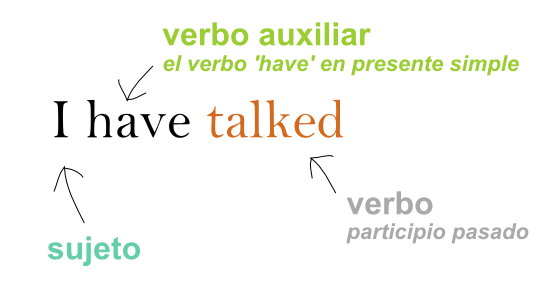
PRESENT PERFECT
|
JUST
|
ALREADY
|
YET
|
EVER
|
NEVER
|
SINCE/FOR
|
I HAVE +ALREADY+ PAST PARTICIPLE (ed or 3rd column)
|
I HAVE +JUST + PAST PARTICIPLE ( ed or 3rd column)
|
I HAVE NOT + PAST PARTICIPLE(ed or 3rd column) +YET
|
JUST= Acabar de hacer algo. A short time ago. EXAMPLES:
ARE YOU HUNGRY?
NO, I HAVE JUST EATEN MY LUNCH.
|
ALREADY= Ya,
Antes de lo esperado.Before you expected
EXAMPLES:
Miss Esther says:
Please, class copy the homework.
YES, teacher, WE HAVE ALREADY COPIED THE HOMEWORK, MISS ESTHER
|
YET= Aún, todavía,, sin embargo.
Until now (negatives)
ARE YOU HUNGRY?
YES, I HAVEN´T EATEN YET.
|
JUST
ORACIONES AFIRMATIVAS
|
ALREADY
ORACIONES AFIRMATIVAS
|
YET
ORACIONES NEGATIVAS
|
viernes, 15 de noviembre de 2024
martes, 1 de octubre de 2024
PRESENT PERFECT TENSE UNIT 1

lunes, 16 de septiembre de 2024
viernes, 12 de abril de 2024
CAMBRIDGE HOMEWORK
lunes, 8 de abril de 2024
PAST CONTINUOUS: What Were You Doing When…?
Past continuous positive form
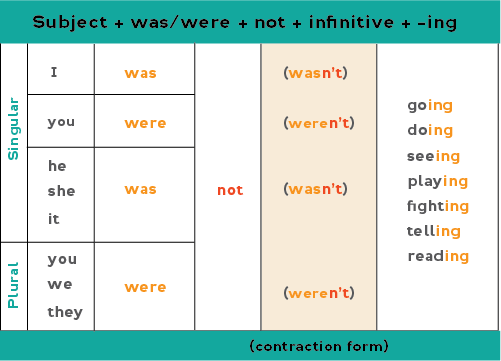
To form the past continuous, we use the was / were form of the verb "to be" plus the infinitive of the verb plus an -ing ending.
Examples:
- She was going to school but I notices that it was Sunday.
- They were reading bedtime stories for hours last night so I was very tired in the morning.
Past continuous negative form
To make an affirmative (positive) statement negative, add "not" before the verb + -ing. You can also use a contraction (wasn't / weren't). We use contractions frequently in spoken English.

Examples:
- I was not going to bed. / I wasn't going to bed because it was not the time.
- You were not doing your homework but your mum told you to do it.
- They were not playing football this week but finally they played.
- They were not studying English during vacation but Miss Esther sent an email with homework.
Questions that can be answered with "yes" or "no" answers are formed by inverting the subject and correct form of the verb "be" (was / were). (Inverting means we change the order of the subject and verb form:)
Affirmative statement: I was sleeping. (the subject "I" is first, then the verb form "was")
Examples:
- was he going to study or not?
- Was he going to study all night again?
- Were you going to eat lots of candy?
- Were they playing nicely today or were they fighting?
- Was I snoring?
martes, 14 de noviembre de 2023
ENGLISH UNIT 2: QUESTION TAGS
"GRAMMAR UNIT 2"
1.- QUESTION TAGS : NEGATIVE EXERCISE
2.QUESTION TAGS: AFFIRMATIVE EXERCISE
3.-MORE ACTIVITIES: activities 3 , 4 and 5 please.
HOMEWORK 6,7,8,9,10.
QUESTIONS TAGS TEST: IF YOU GET MORE THAN 8 POINTS YOU CAN PLAY THE GAMES ABOVE.
lunes, 6 de noviembre de 2023
OUGHT TO AND SHOULD
WE USE OUGHT TO TO GIVE ADVICE OR TO EXPRESS MORAL DUTY.
Giving advice and talking about necessity
We can use should / ought to / have to / must + the base form of a verb to give advice and talk about necessity.
Should and ought to are less strong and less formal than have to and must.
less strong / less formal stronger / more formal
should - ought to - have to - must
Should and ought to
We use should / should not (shouldn’t) and ought to / ought not to (oughtn’t to) to say whether something is a good idea.
Should and ought to are similar in meaning, but should is less formal and more common, especially in negative forms and questions.
You should / ought to take a walk after each meal.
They should not (shouldn’t) / ought not to (oughtn’t to) park their car there
lunes, 25 de septiembre de 2023
GRAMMAR ACTIVITY
Put in 'so' or 'such':
1. They were __________ happy in the classroom that they started dancing.
2. Hugo speaks English __________ well!
3. Valeria is __________ a good writer.
4. Inés swims __________ quickly!
5. It was __________ late we missed the last train, said Helen.
6. Miss Esther has __________ a big house that I got lost!
7. Iriana has __________ a sweet puppy.
8. That was __________ an interesting book, said Adrián.
9. The weather was __________ hot I stayed inside, said Mario.
10. He's __________ a teenager!
ACTIVITIES ON LINE: COMPLETE activities 1 to 5.
STARTER UNIT GRAMMAR
SO AND SUCH
Uilizamos “so” (tan, así, entonces) y “such” (semejante, tal, tan, tanto) para añadir énfasis, mostrar sentimientos extremos o para dar la opinión.
Es muy sencillo diferenciar «so» de «such»: solo tenemos que prestar atención a las palabras que vienen detrás:
- La palabra «so» sirve para modificar adjetivos y adverbios: This coffee is so good! — ¡Este café está tan bueno!
- La palabra «such» sirve para modificar sustantivos: It's such a beautiful morning!
martes, 30 de mayo de 2023
MODAL VERBS ACTIVITIES
MODAL VERBS - INGLÉS PARA NIÑOS CON MR.PEA - ENGLISH FOR KIDS
martes, 16 de mayo de 2023
martes, 9 de mayo de 2023
martes, 25 de abril de 2023
25TH APRIL CLASSWORK
LENGUA ESPAÑOLA
2.JUEGOS USO DE LA H: JUEGA A 4 JUEGOS
ENGLISH LANGUAGE
NATURAL SCIENCE
miércoles, 25 de enero de 2023
TEST REVIEW: Unit 3 English
HERE YOU HAVE SOME ACTIVITIES TO REVIEW AND STUDY. NO MORE THAN 1 HOUR WITH THE COMPUTER!!! USE THE ACTIVITY BOOK AND THE CLASSBOOK TO STUDY TOO!
ACT 1 2 3 4 5 6
YET, ALREADY, JUST,... ACTIVITIES
jueves, 6 de octubre de 2022
Escribo una redacción
La Fórmula "Estructura en 4 Bloques" Introducción (El anzuelo): Presentar el tema. Puedes empezar con una pregunta retórica, una...
-
HOW MANY AND HOW MUCH VIDEO HOW MANY AND HOW MUCH SONG HOW MUCH AND HOW MANY: READ AND STUDY How much Much = se usa cuando h...
-
Prepositions of Time (in, on, at) Exercise Prepositions of Time (in, on, at) Exercise 2